 Heavy Industry and Engineering
The 5 Pillars of Successful Piping Stress Analysis USA…
Understanding Piping Stress Analysis USA
Piping stress analysis is a critical aspect of engineering design that ensures the safety and reliability of piping systems across various industries. In the USA, where complex infrastructures are commonplace, effective Piping Stress Analysis USA practices are essential for identifying potential issues and optimizing system performance. This analysis evaluates the impact of various forces on piping systems, such as thermal expansion, pressure fluctuations, and external loads, to prevent failures and ensure compliance with industry codes.
What is Piping Stress Analysis?
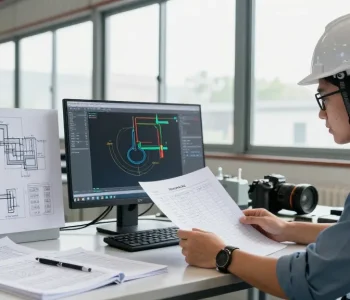
Piping stress analysis involves the assessment of piping systems to determine how they respond to internal and external forces. It encompasses various factors such as thermal expansion, fluid dynamics, and support conditions. This analysis utilizes advanced software tools to simulate conditions and predict how a piping system will behave under different load scenarios.
The primary goal of piping stress analysis is to ensure that the piping system is designed to withstand the operational conditions it will face throughout its lifecycle. This includes ensuring that the stresses within the pipes remain within permissible limits, thereby avoiding potential failures such as buckling, leaks, or catastrophic ruptures.
The Importance in Engineering Design
In engineering design, the importance of piping stress analysis cannot be overstated. It plays a crucial role in establishing the safety and efficiency of a system. Engineers must consider several factors, including:
- Compliance with industry standards and regulations
- Overall system integrity and performance
- Mitigation of risks associated with thermal and mechanical stresses
- Cost-effective design solutions that minimize downtime and maintenance
Ultimately, a thorough piping stress analysis helps engineers avoid costly redesigns and enhances the reliability of critical systems.
Key Factors Influencing Piping Stress
Several factors significantly influence the outcomes of piping stress analysis:
- Thermal Expansion: Changes in temperature can cause materials to expand or contract, affecting system integrity.
- Fluid Pressure: Variations in fluid pressure can introduce additional stresses in the piping system.
- Support Locations: The placement of supports can determine how forces are distributed throughout the system.
- External Loads: Environmental factors, such as wind and seismic activity, must be accounted for in the design.
Common Challenges in Piping Stress Analysis
While piping stress analysis is essential, engineers often face several challenges during the process. Addressing these challenges requires a solid understanding of both theoretical principles and practical applications.
Piping Expansion and Contraction Issues
One of the most prevalent challenges in piping systems is their expansion and contraction due to temperature fluctuations. Failure to account for these changes can lead to undue stress on the pipes, which may result in leaks or structural failures. Engineers must integrate expansion loops, bends, and compensators into their designs to accommodate thermal movement.
Load Cases and Their Impact
Another challenge is analyzing various load cases, including static and dynamic loads. Each load case influences the stresses in unique ways, and engineers must develop comprehensive models that accurately reflect the real-world conditions the piping systems will encounter.
Managing Seismic and Wind Loads
Especially in regions prone to earthquakes or high winds, understanding how external loads affect piping systems is crucial. Engineers must ensure that their designs incorporate additional support and bracing to withstand these forces, which can significantly complicate the design process.
Best Practices for Piping Stress Analysis
Implementing best practices in piping stress analysis can enhance the reliability and safety of piping systems. Here are some effective strategies:
Utilizing Advanced Software Tools
The use of sophisticated software tools simplifies the complexity inherent in piping stress analysis. Programs like CAESAR II and AutoPIPE enable engineers to analyze stress distribution, predict system behavior, and assess compliance with industry standards efficiently. The integration of advanced modeling technologies allows for more accurate simulations and data-driven decision-making.
Integrating Industry Standards and Codes
Engineers must incorporate relevant industry standards, such as ASME B31.1 and B31.3, into their analysis processes. These codes provide guidelines for safe design practices and help ensure compliance with legal requirements.
Conducting Regular System Inspections
Regular inspections of existing piping systems are essential to identify issues before they escalate. Implementing a proactive maintenance strategy, including periodic stress analysis, helps to ensure ongoing system safety and performance.
Real-World Applications of Piping Stress Analysis USA
Piping stress analysis finds applications across various sectors, each with unique challenges and requirements. Here are a few notable examples:
Case Studies in the Oil and Gas Industry
In the oil and gas sector, piping systems must withstand high pressures and extreme temperatures. Piping stress analysis ensures that these systems can handle the rigors of drilling and refining processes, preventing leaks and operational failures that could have catastrophic consequences.
Applications in Chemical Processing Plants
Chemical plants often deal with corrosive materials that can introduce additional stress factors. Piping stress analysis is crucial in designing systems that can safely transport chemicals while minimizing the risk of leakage or rupture.
Benefits for Semiconductor Manufacturing
In semiconductor manufacturing, the purity of materials is paramount. Piping stress analysis helps maintain the integrity of cleanroom environments by ensuring that the piping systems operate reliably without contamination or failure.
The Future of Piping Stress Analysis
As technology continues to evolve, the future of piping stress analysis is promising. New methodologies and innovations are likely to influence the way engineers approach piping systems.
Evolving Technologies and Innovations
Emerging technologies such as machine learning and artificial intelligence will play significant roles in predictive analytics, helping engineers anticipate potential failures before they occur. Additionally, advancements in material science may lead to the adoption of lighter, stronger materials that can withstand higher pressures and temperatures.
Predictions for 2026 and Beyond
By 2026, we can expect to see an increased emphasis on sustainable practices within engineering, including the use of eco-friendly materials and methodologies that reduce environmental impact. Piping stress analysis will adapt to incorporate these changes, ensuring that systems are not only functional but also environmentally responsible.
Adapting to Industry Changes and Regulations
As regulations evolve, engineers will need to stay abreast of new codes and standards. This adaptability will be crucial in maintaining compliance and ensuring the safety of piping systems in diverse applications.
Frequently Asked Questions
What is piping stress analysis?
Piping stress analysis is the evaluation of piping systems to determine how various forces affect their integrity and performance, ensuring they can operate safely under expected conditions.
How can I improve my piping systems’ safety?
Improving safety involves regular inspections, utilizing advanced software for stress analysis, and adhering to industry standards throughout the design process.
What software is best for piping stress analysis?
Popular software tools for piping stress analysis include CAESAR II, AutoPIPE, and ANSYS, each offering unique features and capabilities tailored to specific engineering needs.
What industries rely on piping stress analysis?
Piping stress analysis is critical in industries such as oil and gas, chemical processing, pharmaceuticals, and semiconductor manufacturing, among others.
How often should piping stress analysis be performed?
Regular evaluations should be conducted, particularly after significant changes in operation, maintenance, or environmental factors, to ensure ongoing compliance and safety.